How to Heat a Garage: Options, Sizing and Cost Factors
Posted by MN Garage Notes Editorial Team Reviewer: MN Garage Notes Editorial Team Most recently reviewed Published In Garage heating
To heat a garage, insulate and air-seal first, calculate the heat load, then choose a heater type that matches your fuel and the safety rules for it. Electric heaters need a suitable circuit, and gas or propane heaters need venting and a licensed installer. Keep 3 feet of clearance and use carbon monoxide alarms.
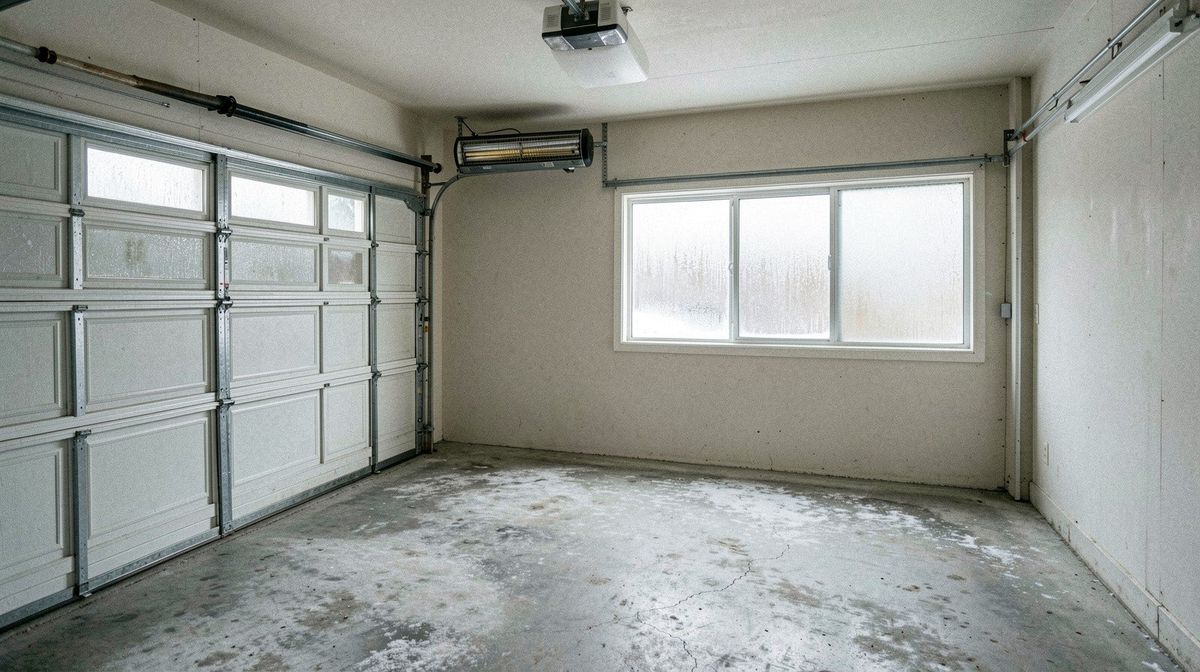
Belongs to the guide: Garage Heaters: Types, Sizing and Safety
This is the process page that sits beside our garage heater guide: insulate, size, then choose.
Background reading only. Treat it as no stand-in for your owner’s manual, the maker’s install sheet, your local building and fire code, or a licensed tradesperson. A garage can hold carbon monoxide, open flame, live circuits, wound springs and solvent fumes. The Garage Notes team checked each claim against the sources listed on this page; it holds no trade licence.
Safety block: read before you pick a heater
Any heater added to a garage must be matched to the garage’s hazards: carbon monoxide, fire and flammable vapors. Consult your owner’s manual and local code. NFPA says to keep anything that can burn at least 3 feet from heating equipment and that all fuel-burning equipment should be vented to the outside. The CDC says never to run a car inside an attached garage, even with the door open. Gas, propane piping, venting and new circuits are licensed-trade work. Full rules: heater safety.
Step 1: insulate and air-seal first
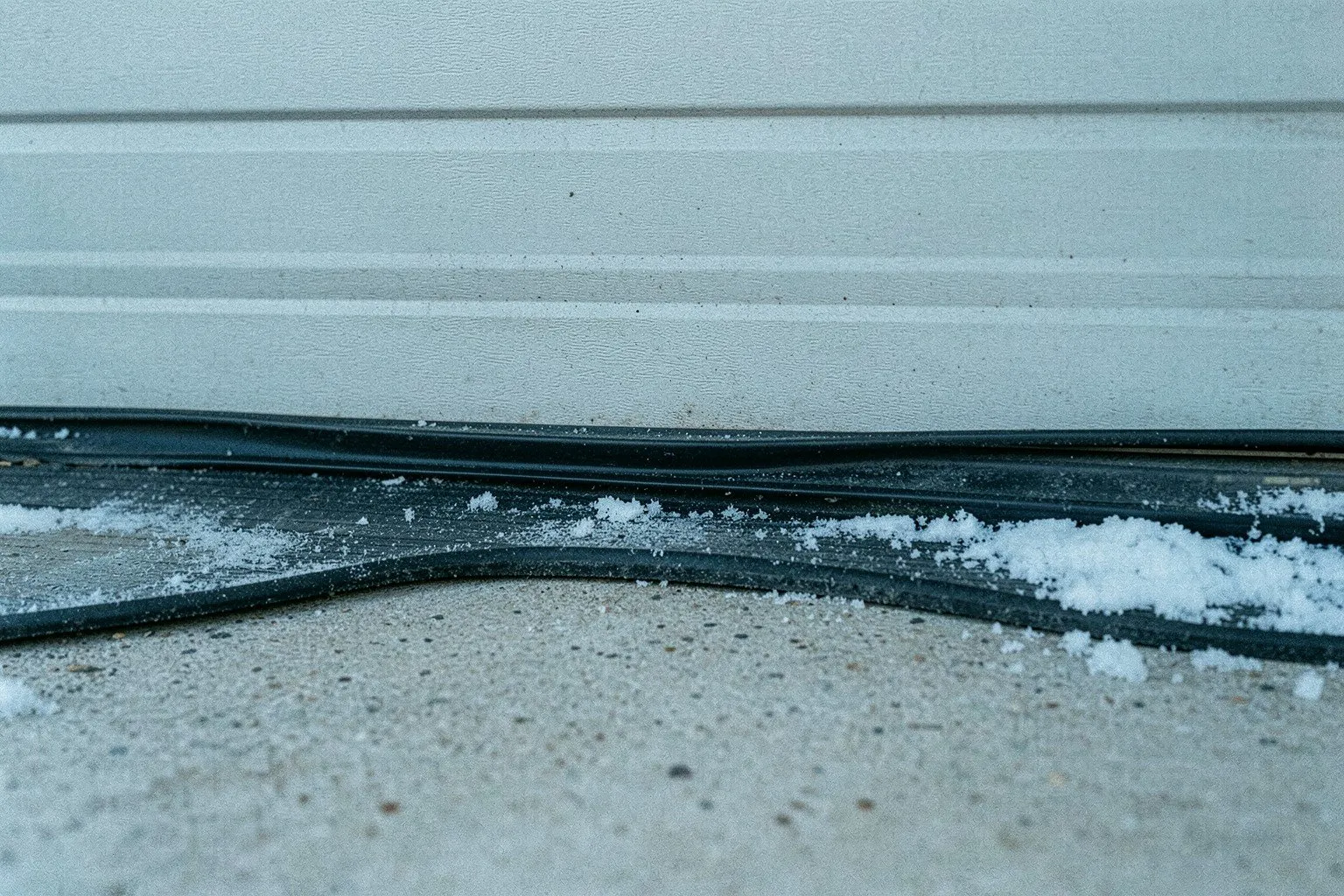
Reducing heat loss lowers the heater size you need and the running cost, so insulation comes before the heater. The Department of Energy says up to 25 percent of a home’s heat is lost through small cracks and holes, and ENERGY STAR recommends R60 for an uninsulated attic floor in colder climate zones (4A and 4B, and 5 through 8), a house-attic figure, not a garage rule. For a garage in a cold climate, start with the largest, leakiest surfaces: the door, ceiling and shared walls. See insulation basics, insulating the door and insulating the ceiling.
Step 2: find the heat load
The heat load is the BTU per hour the garage loses at your design temperature difference, and it needs your garage’s size, insulation and climate. This page publishes no garage BTU number because none applies to every garage. Use the heat-load calculator to estimate the heat load, and keep its inputs honest. DOE’s home heating guide says proper sizing is as important as efficiency and that an oversized heating system costs more to operate.
Step 3: choose a heater type for your fuel and use pattern
Match the heater family to the fuel you have, how often you use the garage, and the safety rules for that fuel.
| If you… | Look at | Safety flag |
|---|---|---|
| Work in the garage a few hours at a time and have a suitable circuit | Electric garage heaters | 3 feet of clearance; no extension cords (NFPA) |
| Have natural gas service and want fixed heat | Natural gas heaters | Licensed installer; venting; manual’s mounting height |
| Rely on propane | Propane units | CO risk of unvented portables in CPSC data |
| Have a drafty or high-ceiling space | Infrared garage heaters | Hot surfaces; follow manual |
Not sure which is allowed in your area? Ask the local building department. See the full comparison in the heater types.
BTU sizing: how to read the numbers
Electric ratings convert directly: about 3.41 BTU per hour per watt. One manufacturer’s table lists 5,000 W at 17,065 BTU per hour. For fuel-burning heaters, the manual gives an input rating and sometimes an output rating; compare your heat load with the output. A heater above your heat load is not automatically better (DOE: oversizing costs more to operate), and no source we opened says a given BTU size is “too much” for any specific garage.
Temperature rise versus holding temperature
A heater has to do two jobs: raise the garage temperature from cold, and then hold it against heat loss. Raising takes extra energy for a while; holding is a continuous load that depends on insulation. How warm you can make an insulated garage in a Minnesota winter depends on your insulation and your heater; no source we opened gives a general figure. The calculator lets you test different target temperatures.
Running cost estimate
Cost per hour equals energy used per hour times your price for that energy. Electric: kilowatts times your price per kilowatt-hour. Gas or propane: input BTU per hour divided by the fuel’s BTU content, times your fuel price, adjusted for efficiency. This page quotes no prices because no dated primary price source was opened. The best saving is usually a smaller load from better insulation and a thermostat or programmable control; DOE recommends a programmable thermostat to set heating back when you are away.
Safety checklist and installation notes
- Insulate and seal first; read the heater’s full manual.
- Install a carbon monoxide alarm per the alarm and heater manuals. Minnesota Statute 299F.51 requires an alarm within 10 feet of each room used for sleeping in a single-family home.
- Hire licensed trades for gas piping, venting and 240 V circuits.
- Keep 3 feet of clearance and keep fuel cans and solvents away from the heater.
- Never run a car in the garage to warm it; do not use an unvented fuel-burning heater in a closed garage; the manual and local code decide whether any unit may be used there, and many forbid it.
- Have fuel-burning equipment inspected each year by a qualified professional (NFPA, USFA).
Related pages
Frequently asked questions
How many BTUs to heat a 2 car garage?
There is no single answer, because the load depends on insulation, air leaks, climate and your target temperature. Use the garage heater size calculator to estimate it. Electric ratings convert at about 3.41 BTU per hour per watt. Insulating and air sealing first reduces the BTU you need.
What is the cheapest way to heat a garage?
Reducing heat loss is usually the cheapest step, since the Department of Energy says up to 25 percent of a home's heat leaks through small cracks and holes. Running cost then depends on local energy prices, which this page does not quote. Compare heaters using the formulas for electric and fuel cost, and ask a professional about gas options.
Can I heat a garage with a space heater?
Portable electric space heaters can heat small, insulated areas if you follow NFPA's rules: 3 feet of clearance, plug directly into a wall outlet, no extension cords, tip-over shut-off, and turn off when you leave. The CPSC reports portable heaters are involved in an average of 1,600 fires per year. Never use one near flammable liquids.
How warm can I make an insulated garage in Minnesota winters?
No source we opened gives a general figure, because it depends on insulation, air tightness and heater capacity. Use the calculator to test target temperatures against your heat load. A heater sized to the load and a well-sealed garage can hold a chosen temperature, but results vary widely by building.
Is a 50,000 BTU heater too much for a garage?
It can be, but it depends on your garage's heat load. DOE says oversized heating systems cost more to operate, and sizing is as important as efficiency. Compare the heater's output rating with the load from the calculator. Also check the manual for garage use, venting and installation requirements before buying.
Sources and further reading
- U.S. Department of Energy: Home Heating guide (PDF) (energy.gov)
- ENERGY STAR: Recommended Home Insulation R-Values (energystar.gov)
- CPSC: Carbon Monoxide Information Center (cpsc.gov)
- CDC: About Carbon Monoxide Poisoning (cdc.gov)
- NFPA: Heating Safety tip sheet (PDF) (nfpa.org)
- NFPA: Electric Portable Space Heater Safety tip sheet (PDF) (content.nfpa.org)
- USFA: Heating Fire Safety (usfa.fema.gov)
- CPSC: Keep Warm and Safe This Winter (2026 release) (cpsc.gov)
- Minnesota Statutes 299F.51: Requirements for carbon monoxide alarms (revisor.mn.gov)
- Example manufacturer manual: FUH Series electric unit heater installation, operation and maintenance instructions (PDF) (marleymep.com)
Related articles
- Garage Heaters: Types, Sizing and Safety
Compare electric, natural gas and propane garage heaters by venting, carbon monoxide risk, clearances and who must install them, with sources cited.
- Electric Garage Heaters: 120V vs 240V, Wattage, Circuit
How electric garage heaters work, how to convert watts to BTU, what 120V and 240V mean for circuits, and the clearance and cord rules from NFPA.
- Garage Heater Safety: CO, Clearances and Fire Risk
Garage heater safety explained from CPSC, CDC, NFPA and USFA sources: carbon monoxide, clearances, flammable vapors, alarms and what never to do.
- Natural Gas Garage Heaters: Vented Unit Heaters Explained
Vented natural gas unit heaters in a garage: venting, combustion air, one manual's 18-inch burner height and why a licensed pro must install.
- Infrared and Radiant Garage Heaters Explained
Infrared and radiant garage heaters explained: electric versus gas-fired types, 3-foot clearances, manual mounting rules and fire safety near vapors.
- Propane Garage Heaters: Safety, Venting and Sizing
Propane garage heater safety, venting and sizing basics from CPSC, NFPA and DOE: vented versus unvented units, CO risk, cylinders and who should install.