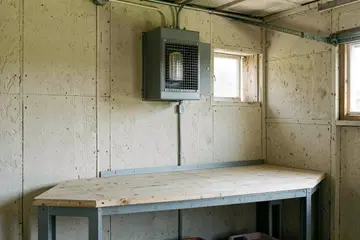
Electric Garage Heaters: 120V vs 240V, Wattage, Circuit
How electric garage heaters work, how to convert watts to BTU, what 120V and 240V mean for circuits, and the clearance and cord rules from NFPA.
Author
Editorial team
The MN Garage Notes Editorial Team name is a shared credit for guides on getting a garage through a freezing winter: insulation, heat, doors and floors. Pages cite the manuals and agency documents behind each claim.
Nobody under this name installs, repairs or sells anything, and no trade licence is held. When a task touches gas, wiring, springs or chemicals, the page flags it and defers to the maker, local code and a licensed tradesperson.
Sourcing and corrections are covered by the editorial policy.
How electric garage heaters work, how to convert watts to BTU, what 120V and 240V mean for circuits, and the clearance and cord rules from NFPA.
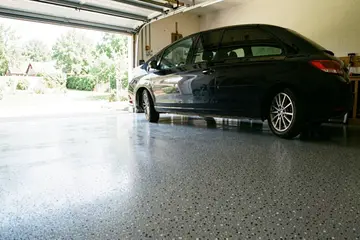
How an epoxy garage floor coating system works, what prep matters, cost drivers, cold-climate limits, and the safety rules to read before you start.

What comes in an epoxy garage floor kit, how coverage claims work, kit types, and the data sheet and safety checks to make before you buy. No brand picks.
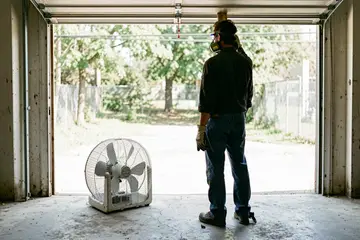
Safety rules for epoxy garage floor work: the SDS, skin and eye protection, fumes and ventilation, ignition sources, disposal and attached-garage cautions.
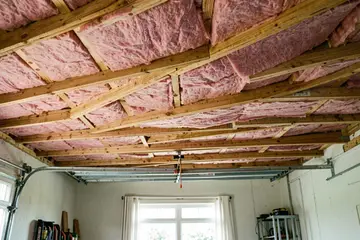
How to insulate a garage ceiling in a cold climate: target R-values from ENERGY STAR, air sealing first, light and flue clearances, and when to call a pro.
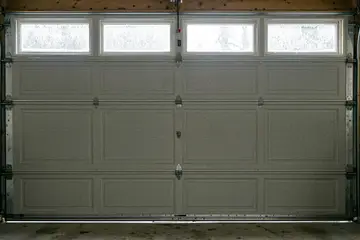
Compare garage door insulation methods, R-value versus U-factor, air sealing and balance safety, with sources from DASMA, DOE and ENERGY STAR.
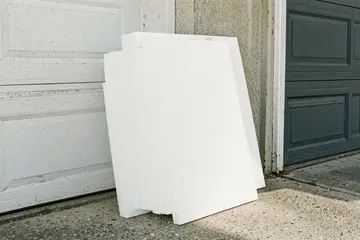
What is in a garage door insulation kit, how foam, fiberglass and reflective materials compare by R-value and fire safety, and what to check before buying.
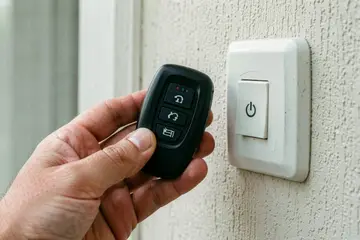
How garage door opener remotes work, how to tell which remote fits your opener, how to program one from the owner's manual, and what to do when it stops.
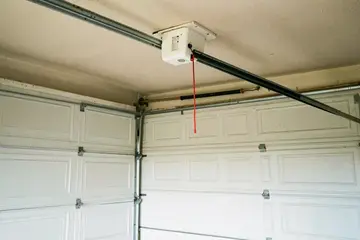
Step-by-step checks when a garage door opener will not work: power, wall button, remote, manual release and safety sensors, plus when to call a technician.
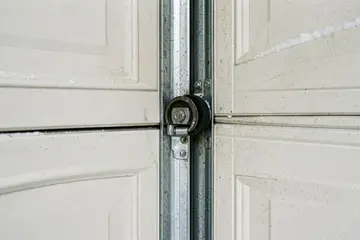
Diagnose a garage door that will not open, sits crooked, shakes or is noisy: what you can check safely, what to leave alone, and when to call a pro.
Right now this site does not set tracking cookies. Should optional analytics or marketing tools arrive later, they stay off until you allow them, and your answer is remembered on your device only. How we use cookies